Number Stories
Math picture books where the story is the problem
Children have been learning math from stories for as long as there have been stories. Three bears, five little ducks, ten in the bed. A good math picture book does something a worksheet cannot: it gives numbers a reason to change. When Maya earns eight more pennies and then spends seven on candy, subtraction is not an exercise anymore. It is a question a child actually wants answered.
Lumi's Number Stories are built around that idea. Each one is a short picture book where the story itself is the math problem, with questions to try along the way.
How a Number Story works
- A note for grown-ups on the first page: how to read it together and what to ask.
- Four to six story pages, each with a big picture and a line or two of text. The numbers change as the story moves.
- Two Try this! boxes inside the story, each with a question and three choices to circle.
- An answer key at the back, never on the story pages, so the child can guess first and check after.
The pictures do real work. Children can count the frogs, the cookies or the balloons to check their answer before turning to the key.
The ten Number Stories, by age and skill
Ages 2 to 6: counting, adding and taking away
The Apple Tree starts with 3 apples on a tree. Birthday Balloons follows Lily's 4 balloons as the count goes down and back up. The Seed Garden plants 3 seeds in a row and keeps count as the garden changes. Each one keeps the numbers small, within 10, so the youngest readers can count along with their fingers.
Ages 4 to 9: adding and subtracting with bigger stories
Cookie Counting begins with 5 cookies and changes the count twice. Frogs on a Log has frogs hopping on and off. The Coin Jar brings in money: Maya starts with 5 pennies, earns 8, spends 7 and saves the rest. Pizza Party moves into multiplying and sharing: 2 pizzas with 8 slices each, shared between 4 people.
Ages 7 to 11: multiplying, dividing and time
Counting Stars groups stars and splits them evenly. Marble Collection gives away a third of 24 marbles, then finds 12 more. Race Against Time works with clock time: a race at 10:00 AM, a 45-minute warm-up before it, and a finish time to work out.
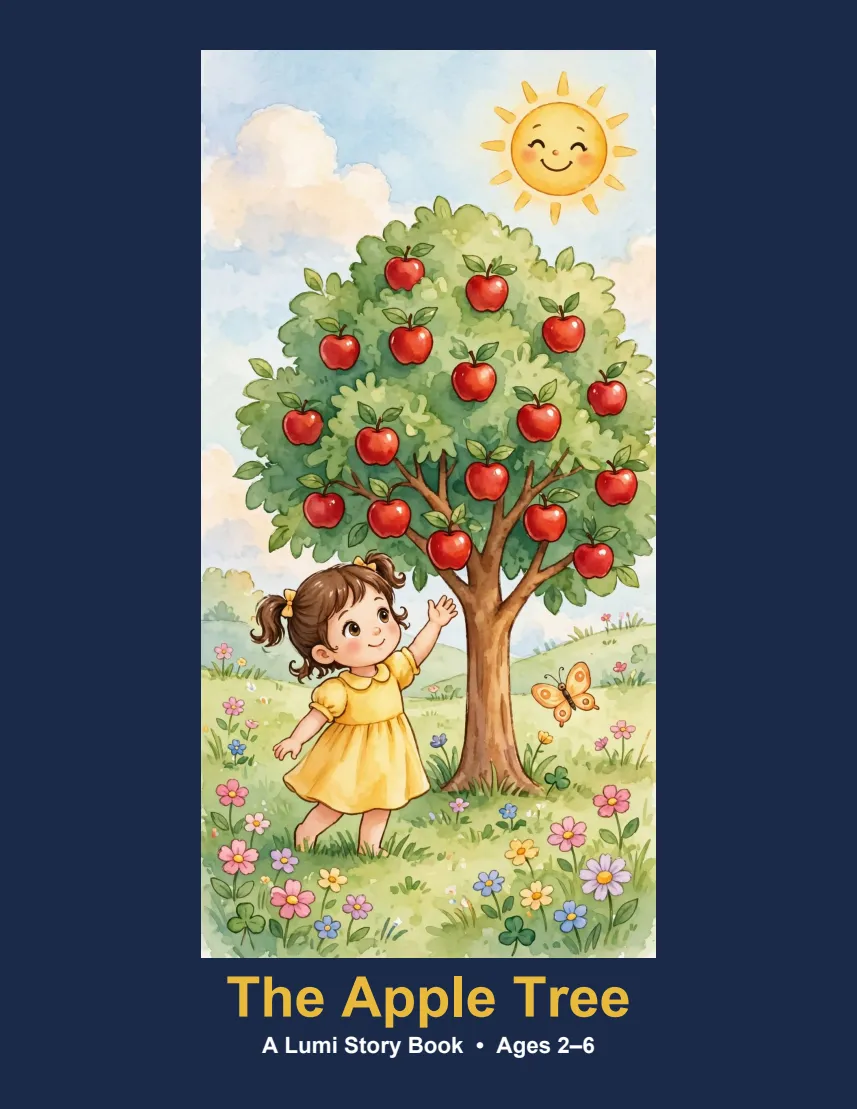 The Apple TreeNumber Story, ages 2-6$3.99 PDF
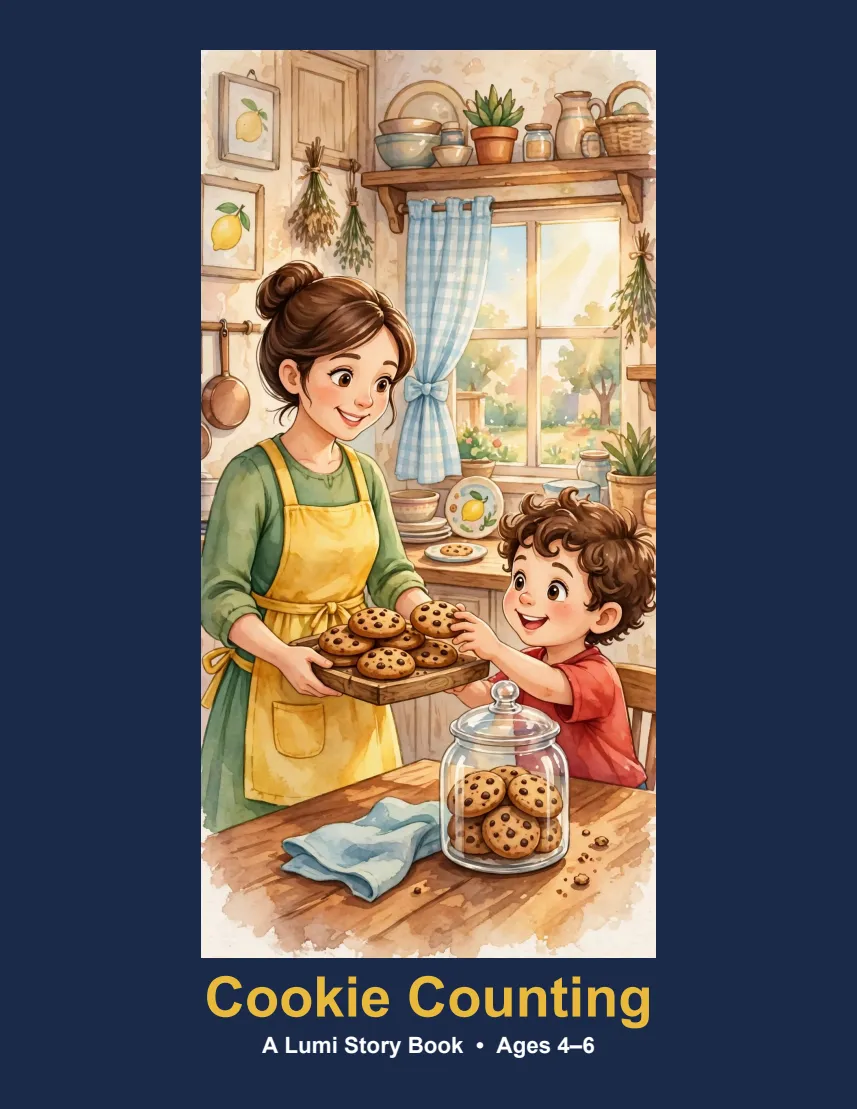 Cookie CountingNumber Story, ages 4-6$3.99 PDF
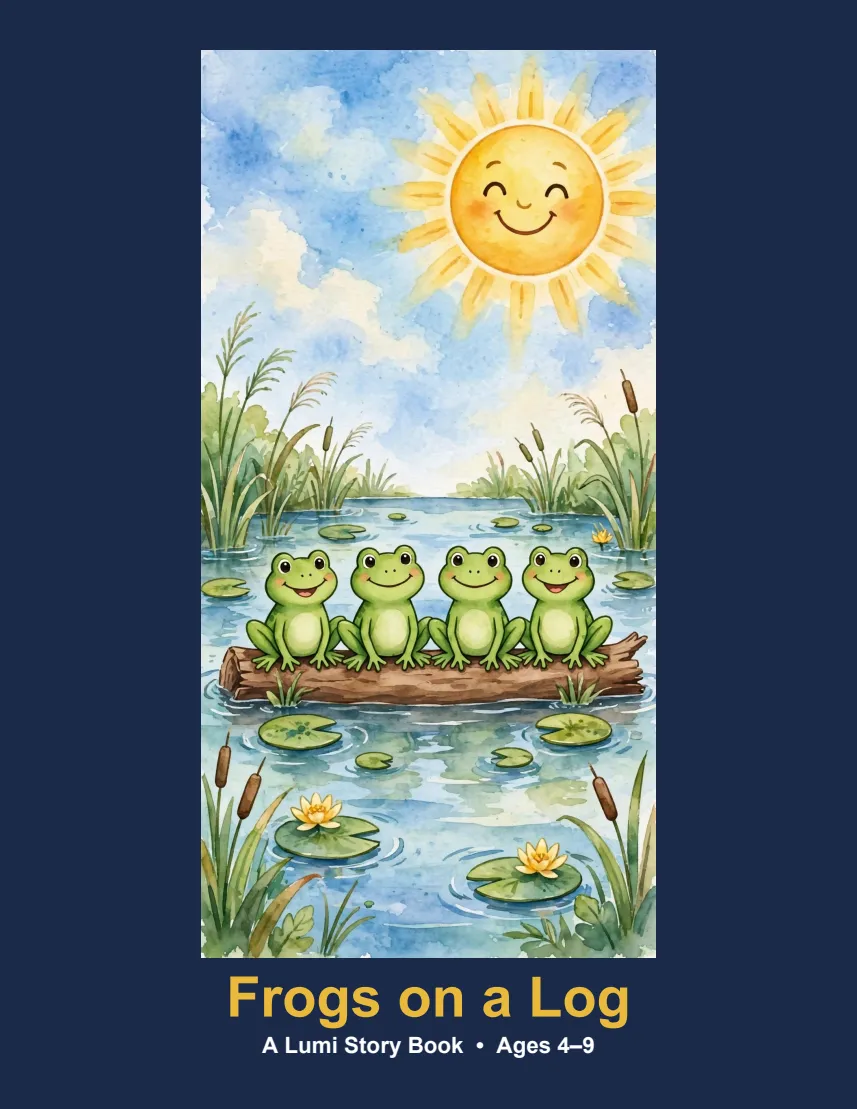 Frogs on a LogNumber Story, ages 4-9$3.99 PDF
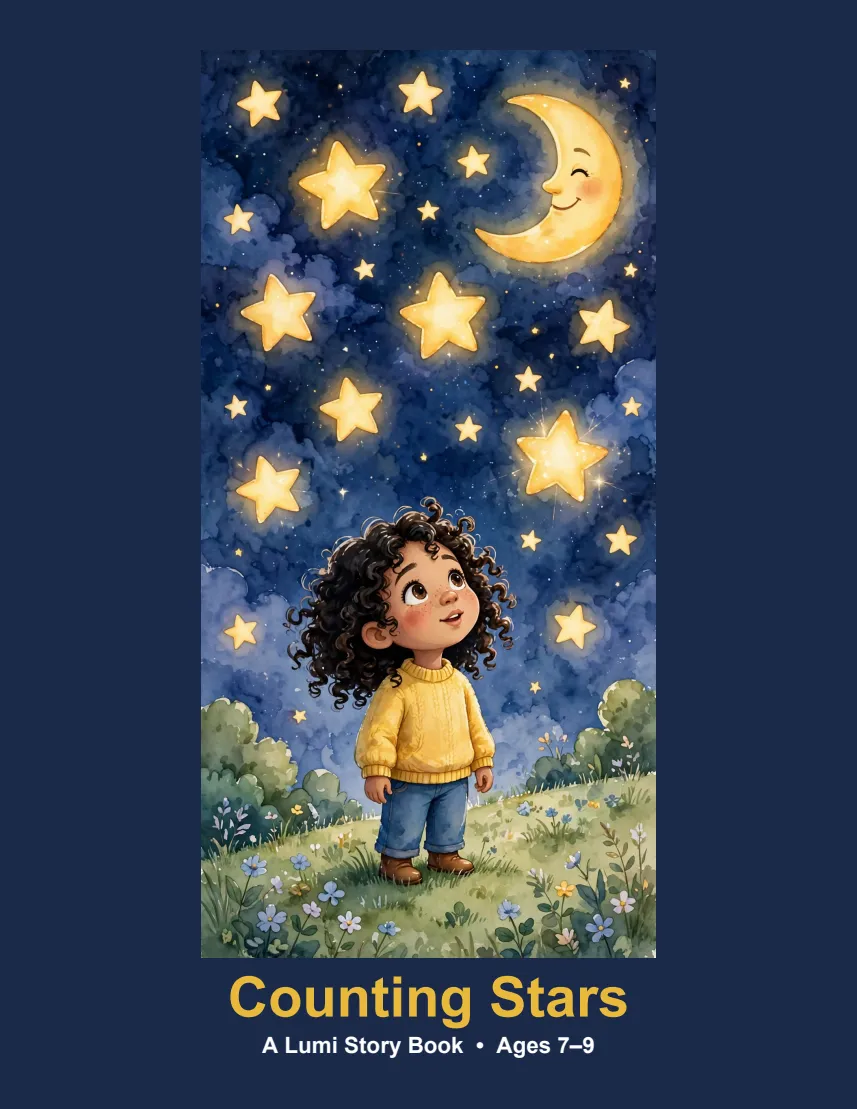 Counting StarsNumber Story, ages 7-9$3.99 PDF
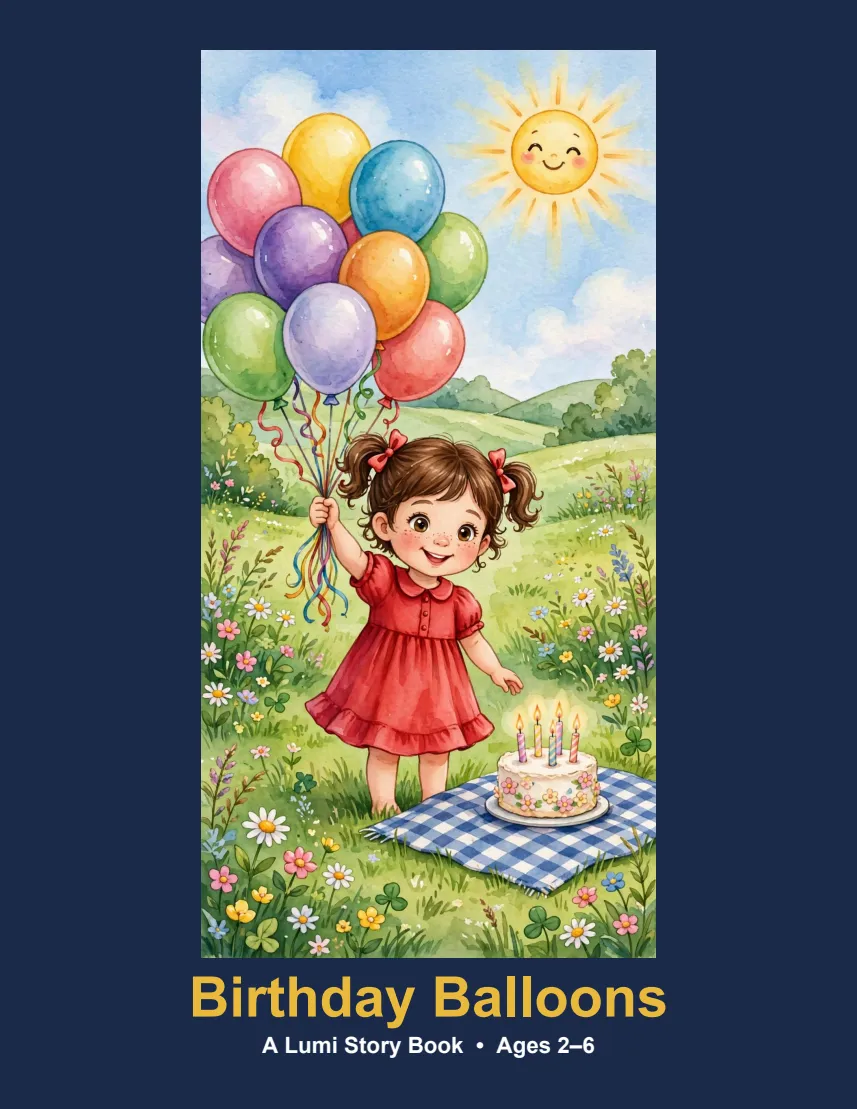 Birthday BalloonsNumber Story, ages 2-6$3.99 PDF
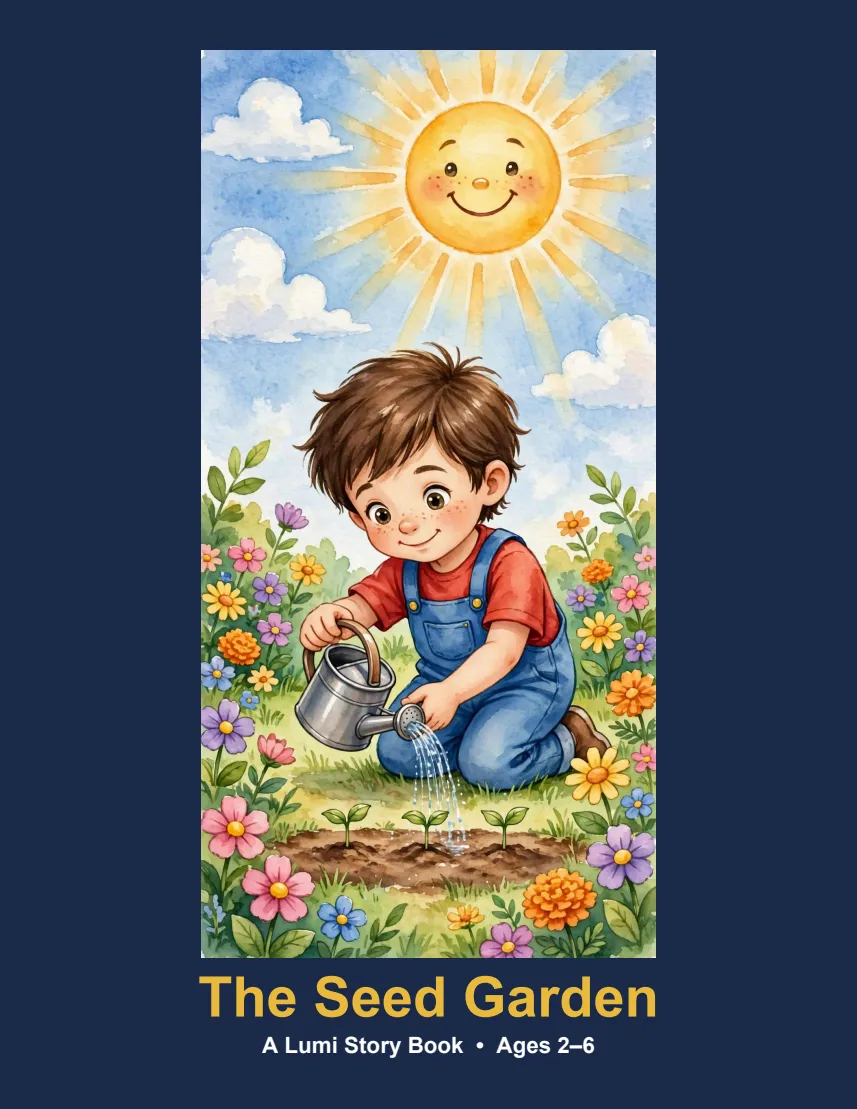 The Seed GardenNumber Story, ages 2-6$3.99 PDF
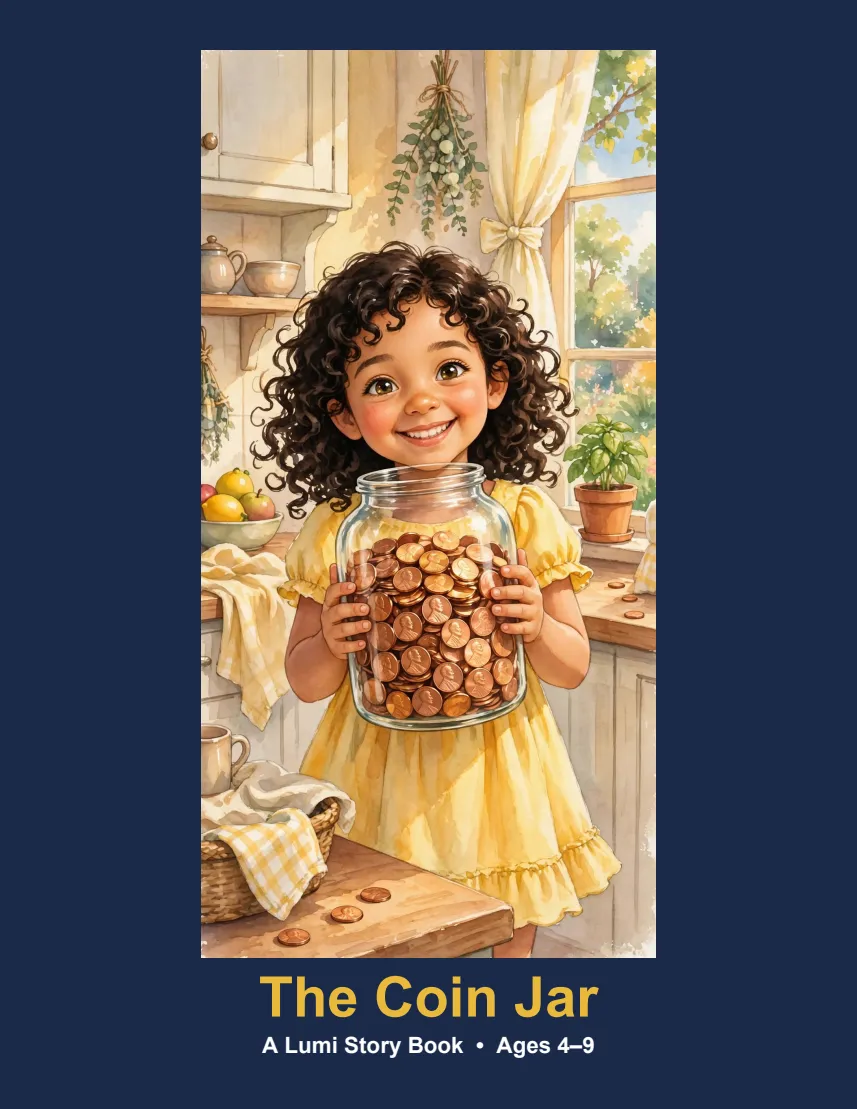 The Coin JarNumber Story, ages 4-9$3.99 PDF
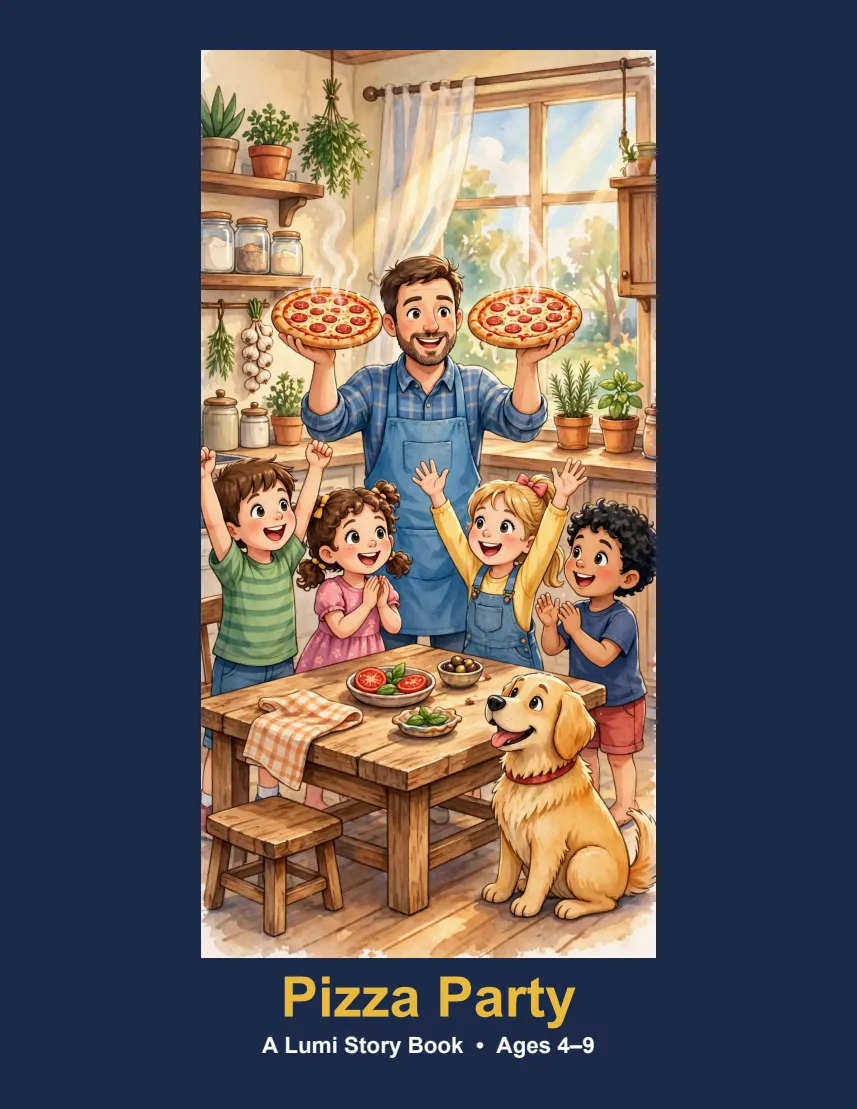 Pizza PartyNumber Story, ages 4-9$3.99 PDF
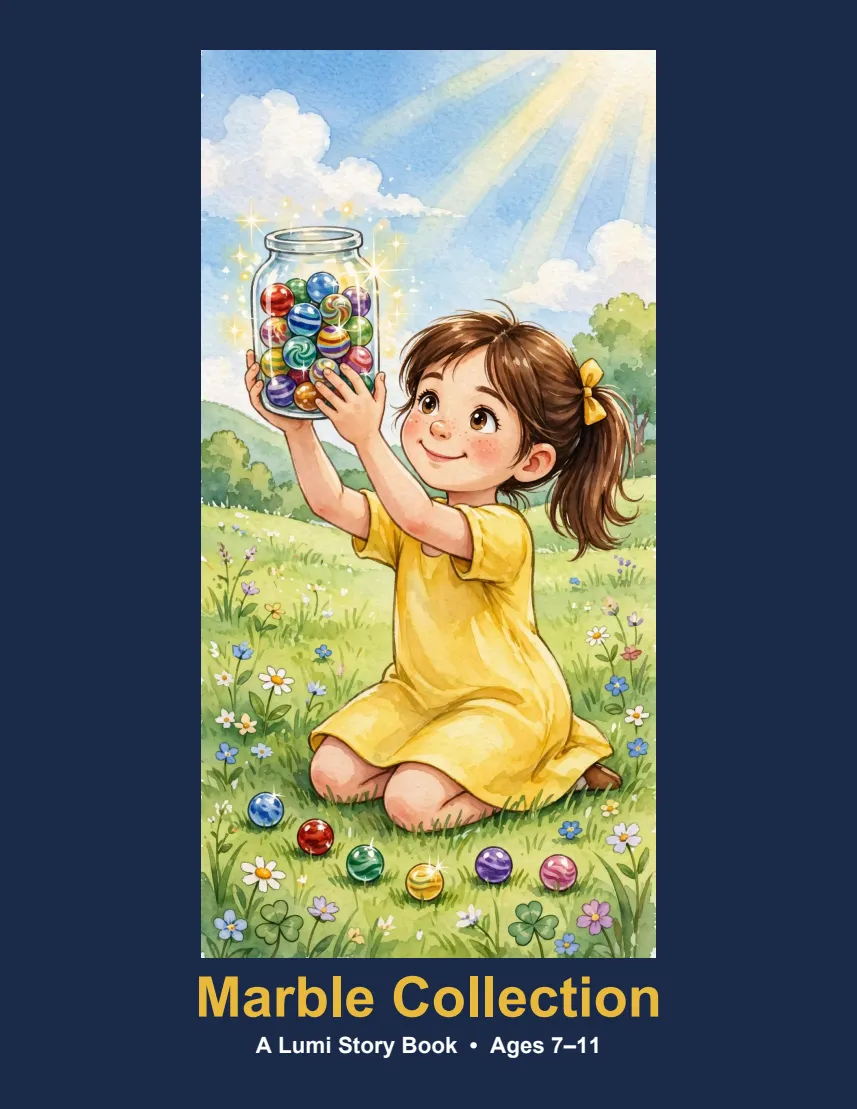 Marble CollectionNumber Story, ages 7-11$3.99 PDF
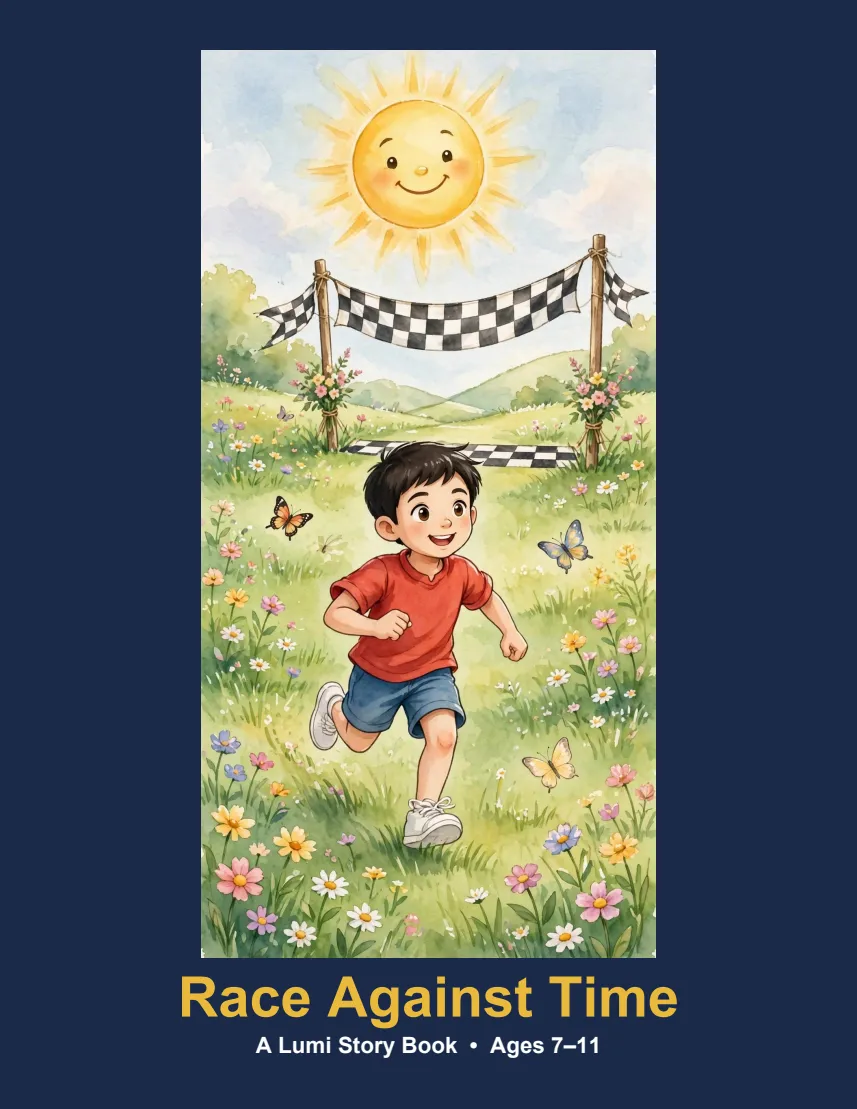 Race Against TimeNumber Story, ages 7-11$3.99 PDF
Why story problems help math stick
Word problems are where a lot of children get stuck, even when they know their facts. The trouble is usually not the arithmetic but working out which operation the words call for. Number Stories practice exactly that, in the friendliest possible setting. Is Lily getting more balloons or losing some? Are we sharing the pizza or adding another one? Talking through the story builds the habit of asking what is really happening before reaching for a plus or minus sign.
Stories also give children a picture to hold in their heads. Weeks later, a child who read Pizza Party can still picture 16 slices shared between 4 people when they meet division again.
How to read a math picture book together
- Read it through once for fun. Let your child enjoy the story before any math.
- Go back to the Try this! boxes. Read the question aloud and let your child guess, count the picture, or use fingers or small toys.
- Check the answer key together. If the guess was off, count the pictures again to find out why.
- Make up a new question. What if there were 3 pizzas? Children love changing the story.
$3.99 each, read anywhere. Every Number Story is a PDF you download right after you pay. Read it on a tablet at the doctor's office, or print it for a bedtime book.
Pair them with a math workbook
Number Stories are a warm, short way into a skill. For steady practice through the year, pair them with a math workbook for your child's grade. The Kindergarten and Grade 1 Math Quest books cover the same adding and subtracting the early Number Stories use, and the Grade 3 book is full of the multiplication and division in Pizza Party and Marble Collection.
Lumi also makes printable story books without math, for ages 2 to 13. For the youngest children, see preschool workbooks for letters and sounds.
Questions parents ask
What is a Number Story?
A short picture book where the story is a math problem. Characters bake, plant, save pennies or share pizza, and the numbers change as the story goes. Two Try this! boxes ask the reader to work out what happens, with answers in a key at the back.
What ages are Lumi's math picture books for?
From age 2 to 11. The Apple Tree, Birthday Balloons and The Seed Garden suit ages 2 to 6, Pizza Party and The Coin Jar suit ages 4 to 9, and Marble Collection and Race Against Time suit ages 7 to 11.
Will reading the story give away the answers?
No. The Try this! boxes show only the question and the choices. Answers appear only on the answer key page at the back, so a grown-up can let the child guess first.
Can we read them on a tablet instead of printing?
Yes. Each book is a PDF, so you can read it on a screen or print it at home as often as your family needs.
How long is each Number Story?
Four to six story pages, plus a note for grown-ups at the front and the answer key at the back. Most take five to ten minutes to read and talk about.
Find your book
Every Lumi book is a PDF you download right after you pay. Print at home as often as your family needs.
See all 75 books